
An in-depth Look at garden fertilizers.
What are fertilizers and how do they work?

Goffle Brook Farms has an extensive selection of fertilizers for both flowering plants and lawn and/or grass areas to feed your plants when they need it. So how do fertilizers help plants grow bigger and healthier?
Fertilizers are comprised of micronutrients added to the growing medium of plants to supplement nutrient minerals that may be lacking. The minerals are used in very minor, and in some cases almost microscopic, amounts, to help construct all the different parts of the plant, it’s enzymes, proteins, vitamins, reproductive processes, etc.
It's important to understand that while fertilizer is often called "plant food," plants don't require food in the same way that animals do. Plants make the majority of their food, or fuel, from air and water, using the energy of the sun. This is called photosynthesis. Photosynthesis is the essential biological process where plants, algae, and certain bacteria use chlorophyll to capture sunlight, converting water (\(H_O\)) and carbon dioxide (\(CO_\)) into oxygen (\(O_\)) and chemical energy in the form of glucose (\(C_6H_O_6\)). Occurring in chloroplasts, it produces food for the plant and oxygen for the atmosphere.
It’s important to understand that while fertilizer is often called “plant food,” plants don’t require food in the same way that animals do. Plants make the majority of their food, or fuel, from air and water, using the energy of the sun. This is called photosynthesis. Plants absorb sunlight via chlorophyll in chloroplasts, splitting water molecules, releasing oxygen, and using the energy to fix carbon dioxide into sugars. This process is essential for life on Earth
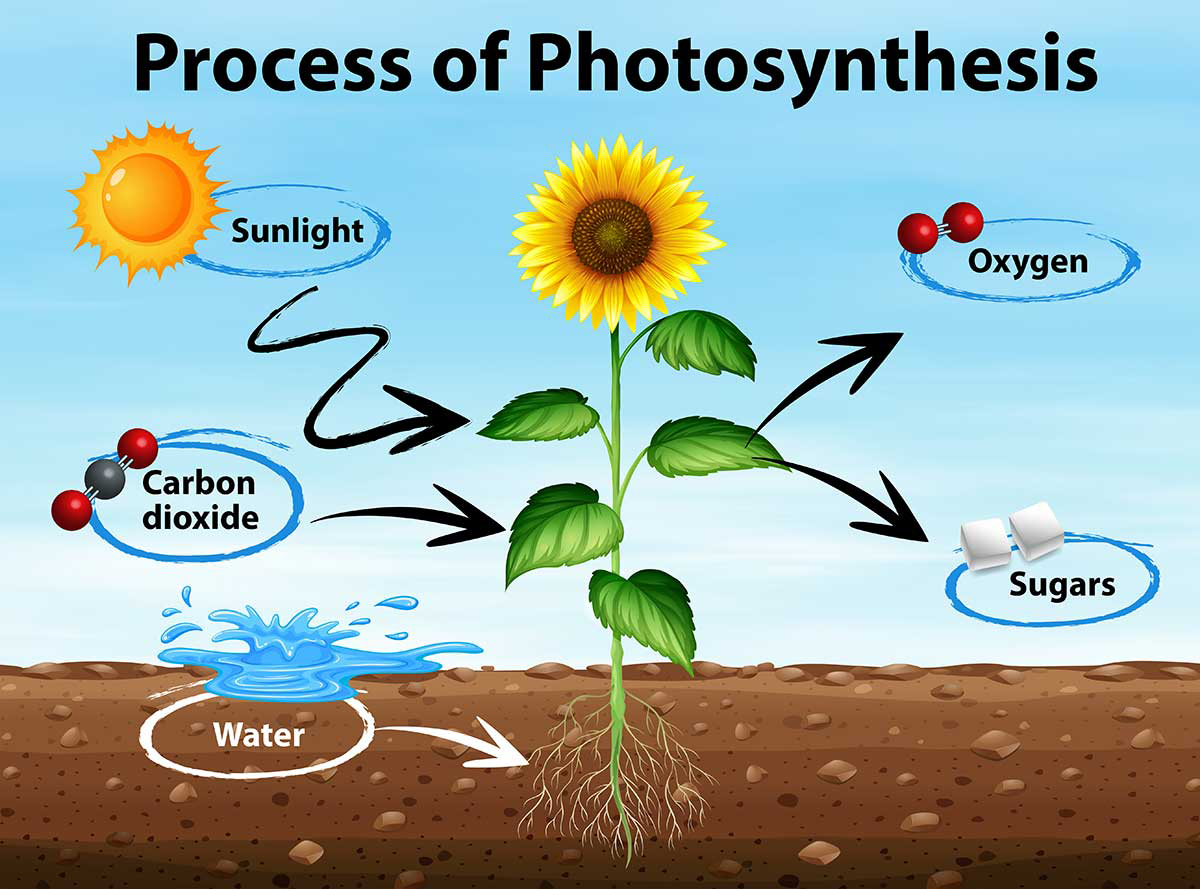
Photosynthesis is the essential biological process where plants, algae, and certain bacteria use chlorophyll to capture sunlight, converting water (\(H_O\)) and carbon dioxide (\(CO_\)) into oxygen (\(O_\)) and chemical energy in the form of glucose (\(C_6H_O_6\)). Occurring in chloroplasts, it produces food for the plant and oxygen for the atmosphere. There are 3 primary macro-nutrients (those that plants need in the highest amounts) nitrogen, phosphorous, potassium. The relative concentration of these three is stated on the fertilizer label in the form of a 3-number series, e.g. 8-7-6, or 20-20-20. Then there are 3 secondary macro-nutrients – calcium, magnesium, and sulfur. In some places the amount of sulfur is added as a 4th number.
In addition to the macro-nutrients, there are a number of micro-nutrients which may or may not be included in the fertilizer, such as iron, copper, manganese, and a number of others. The concentration of the various nutrients elements are stated on the fertilizer label. A deficiency of minerals will limit plant growth, while adding certain minerals to the soil (or other medium) can increase growth and yield.
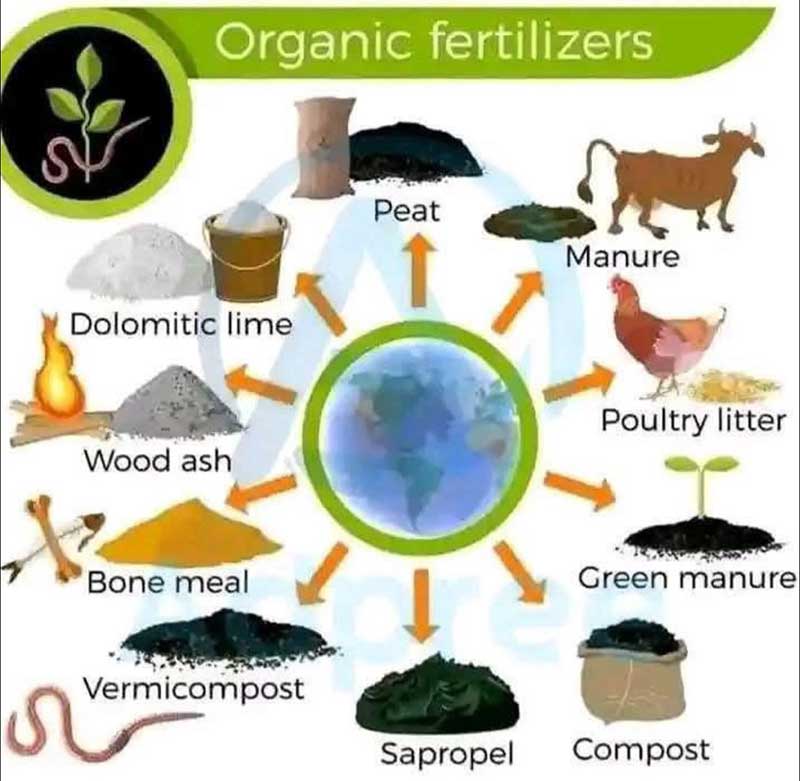
It’s also helpful to understand that plants use minerals in the form of mineral salts. Chemical fertilizers are already in the form of mineral salts, but in organic fertilizers the minerals are bound into organic forms, which have to be broken down by the microbes and/or chemical activity of the soil before they can be used by the plant.
The upkeep on your yard and plants is just as important as the installation of your plants. Our selection of hard goods will not only maintain your lawn and/or grass, but they will help keep your plants healthy and your property beautiful.
.