
Who Would Have Thought This Is
The Best Time Of The Year To Direct Seed Poppies?

The best months to direct sow poppy seeds outdoors are January or February, even when winters are harsh like the one we seem to be having this year. Poppies will germinate and perform best if they’ve gone through a natural freeze-and-thaw cycle. If you’re getting excited about spring and can’t wait to start gardening, there are things you can do now to get a head start on your spring and summer garden. Keep an eye on the forecast and sow your poppy seeds right before snow is expected in your area.
If you’re new to winter sowing, this may seem a bit odd, but snow serves as nature’s mulch. It will protect the seeds from wind, direct sun, and critters and will provide them with water and nutrients when it melts in the spring. Direct sowing poppies in your garden during the winter months is a fun and easy way to get your hands just dirty enough to tide you over until the real fun begins.


View Our Favorites On Botanical Interests
When To Sow Poppy Seeds
The best months to direct sow poppy seeds outdoors are January or February, even when winters are harsh like the one we seem to be having this year. Poppies will germinate and perform best if they’ve gone through a natural freeze-and-thaw cycle. If you’re getting excited about spring and can’t wait to start gardening, there are things you can do now to get a head start on your spring and summer garden. Keep an eye on the forecast and sow your poppy seeds right before snow is expected in your area.
If you’re new to winter sowing, this may seem a bit odd, but snow serves as nature’s mulch. It will protect the seeds from wind, direct sun, and critters and will provide them with water and nutrients when it melts in the spring. Direct sowing poppies in your garden during the winter months is a fun and easy way to get your hands just dirty enough to tide you over until the real fun begins come warmer weather.
Where To Sow Poppy Seeds
Because poppies don’t need to be buried and require plenty of light, they benefit from broadcast sowing, i.e., scattering them by hand on top of the soil. When choosing the perfect spot for poppy seeds, make sure you’re sowing in an area with plenty of sunshine and with well-draining soil. What’s more, avoid grassy spots, as well as anywhere covered in mulch, as the seeds need access to soil to thrive.
If there is any debris on the ground, simply pick it up or rake it away, then get sprinkling! Just keep in mind that these tiny seeds can be easily blown away, so don’t plant them on a windy day. By the same token, it’s hard to spot them once they’re sown, so take careful note of where you’re dropping them. Simply sprinkle them evenly all over your chosen area, either right before a snowfall or directly on top of snow that’s accumulated 2 inches or less. Now, it’s time to let Mother Nature do the work for you.
If there is any debris on the ground, simply pick it up or rake it away, then get sprinkling! Just keep in mind that these tiny seeds can be easily blown away, so don’t plant them on a windy day. By the same token, it’s hard to spot them once they’re sown, so take careful note of where you’re dropping them.
It’s best to sow the seeds fairly early in the winter (January is ideal) so they get enough “chill time” and can germinate. Simply sprinkle them all over your chosen area, either right before a snowfall or directly on top of snow that’s accumulated 2 inches or less. Now, it’s time to let Mother Nature do the work for you.
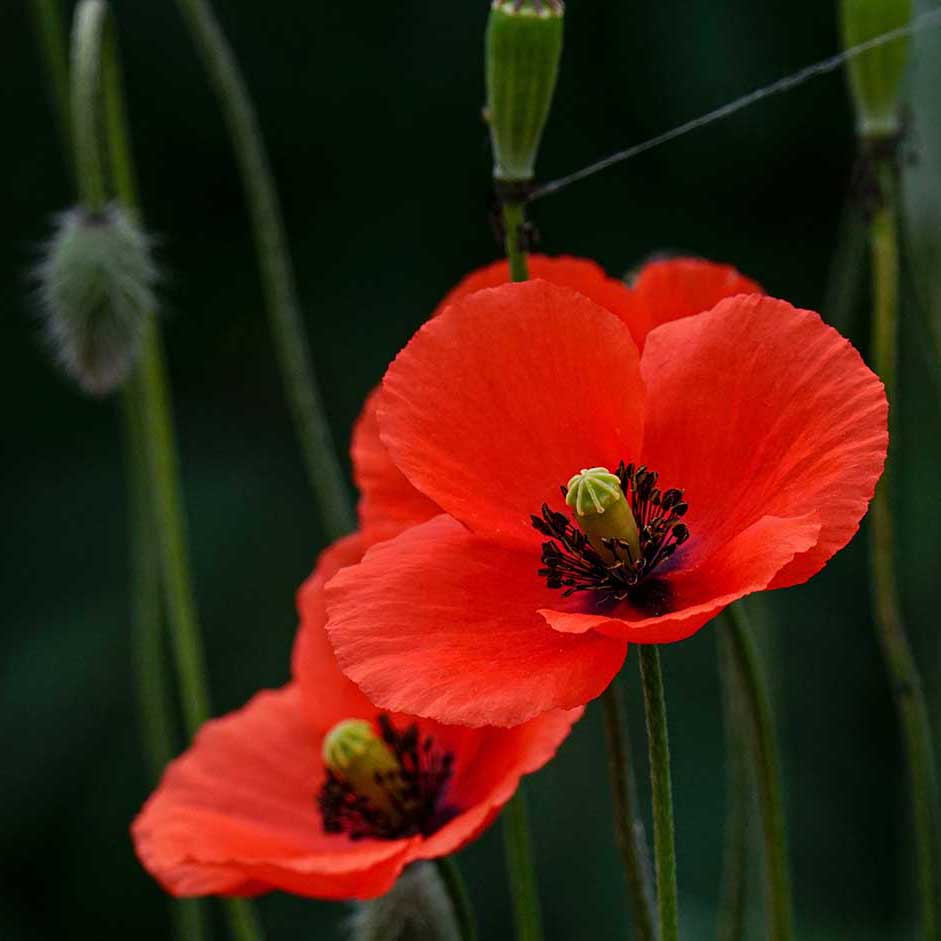
Why In The Dead Of Winter?
It’s because, in order for poppies to grow happy and healthy, they need to go through a process called cold stratification. Essentially, poppy seeds need to go through a cycle of freezing and thawing before they can sprout and eventually bloom. The cold is key to helping kickstart germination at the right time; it helps break down the seed’s hard shell to allow the seedling to break through. It’s a process that can be artificially mimicked using a refrigerator; however, if you live in a climate with cold winters, sowing poppy seeds outdoors is easier and more effective.
In addition to thriving in cold temps conducive to seed stratification, poppy seeds also benefit greatly from the snow itself. The white powder will actually act similar to mulch and will protect your seeds from wind, sun, and animals. What’s more, once it begins to melt, it will release water and nutrients, which means you don’t have to water them until early spring, right as they get ready to bloom in late May.
What is stratification?
Some seeds need cold stratification before they germinate. Seed stratification isn’t a nifty gardening hack; it’s a survival mechanism. In nature, seeds must protect themselves from cold weather to survive and carry on their species. Germinating too early will kill some plants, which is why it’s so important that they have a process in place to wait for the perfect timing.
Seeds stay buried beneath the snow in cold climates for several months. Early germination would be a certain death. But when the snow melts, and the temperatures warm up, the seed knows it’s time to open up and establish its roots. In most cases, the temperature of the soil remains warmer over the winter months than the ambient air temperature.
Interestingly, snow is also an insulator in a similar way to mulch; a nice heavy load of snow can keep the warmth under the soil at the right level for your seed. In most cases, soil temps of 35-40 degrees Fahrenheit are all that’s necessary, so long as they’re consistent throughout the winter. Cold stratification may sound like a complicated process, but it’s one of the easiest aspects of gardening since you just have to sit and wait. It’s a simple way to ensure the seeds that need a cold season will germinate.

Watering
There’s no need to water them right after sowing. If your region receives snow, your poppy seeds should receive plenty of water from snow melt and spring rainfall. Once plants are established, they don’t need supplemental water unless there are extended periods of dry and hot weather.
Fertilization
Poppies do best with regular fertilization, especially in their first year of growth. Feed them phosphorus-rich fertilizer in the spring and there-after every few weeks for optimal growth and bloom. Light fertilization is best, as too much can reduce the performance of your poppies.
Care
Poppies require very little maintenance, especially once they’re established, and provide lots of beauty in return. Ideal temperatures for growth are between 50-75°F (10-24°C), but some cultivars can tolerate up to 90°F (32°C). The plants are very resilient and as a rule don’t need any staking. Deadhead to encourage continuous blooms or at the end of the season if you want to prevent plants from self-seeding. Fertilize again each year going forward in the spring.