English Lavender Phenominal

“Gardeners who limit their use of English lavender to the herb garden should expand their thinking, Few things are as pretty as a large swath of English lavender in full bloom.”
Lavandula x intermedia Phenomenal
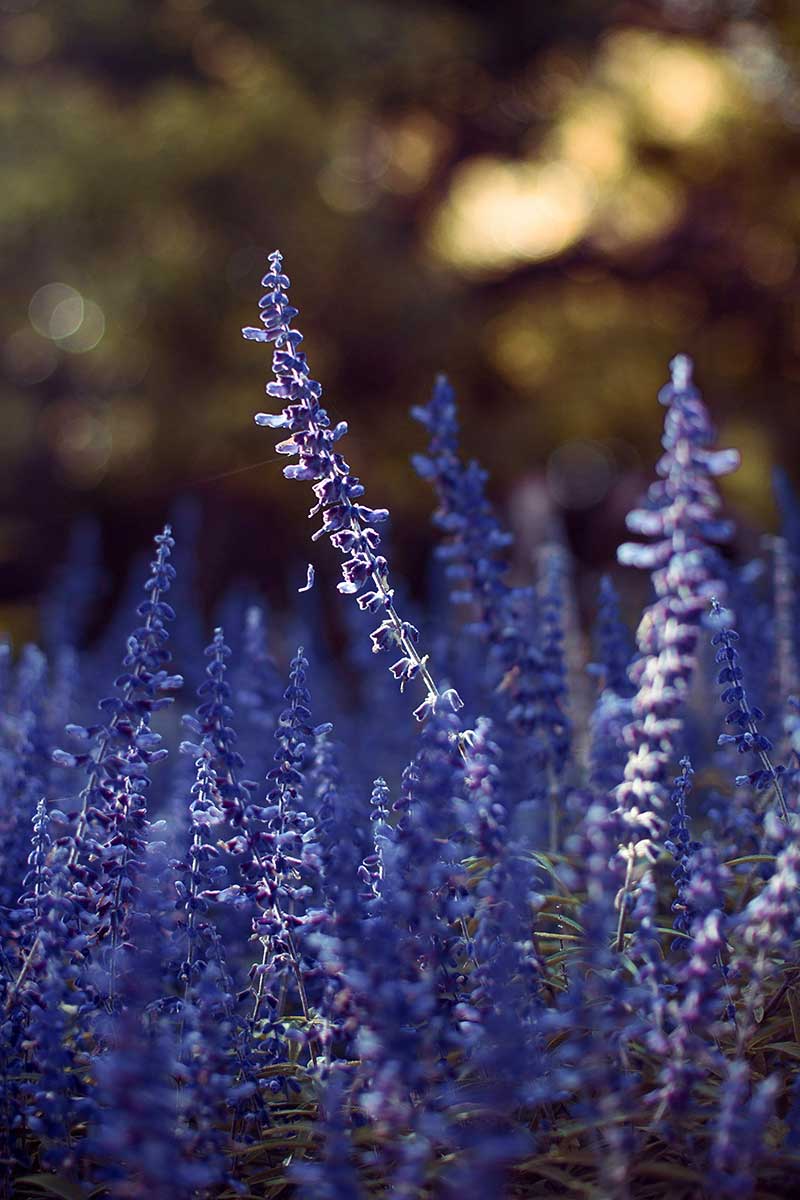
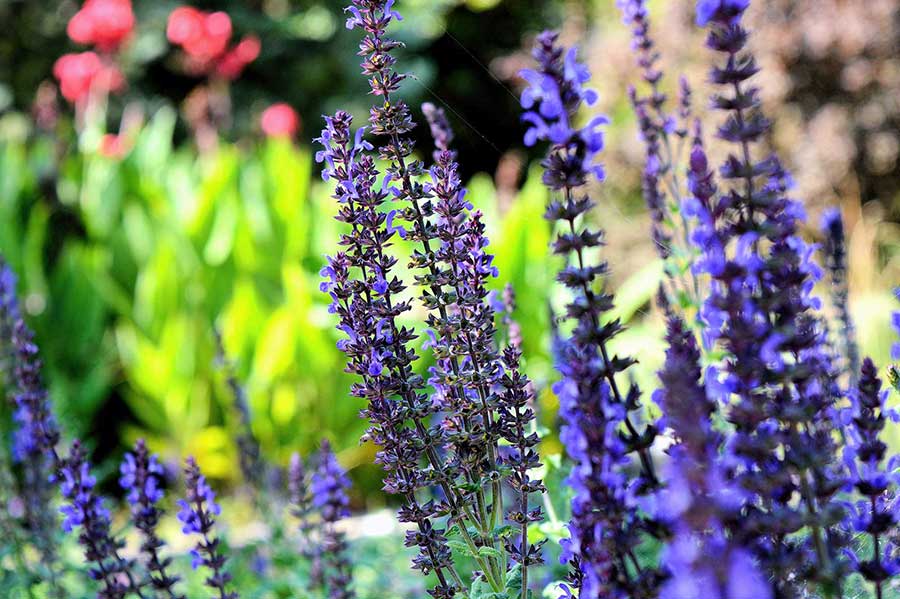
Relishing within the aroma of English lavender wafting amidst the breeze on a warm, sunny day is one of the truest pleasures of gardening. English lavender (Lavandula angustifolia) is often considered an herb but is actually an herbaceous perennial with a semi-woody growth habit. English lavender provides good midsummer color to the garden and is often used in perennial borders and rock gardens as well as in herb gardens and scent gardens.
Lavandula intermedia Phenomenal is renowned for its outstanding cold hardiness and ability to grow in climates with extreme heat and humidity. The plant is a medium-sized grower with nice gray-green foliage and blooms with purple flowers on tall stems in mid-summer. English lavender is a favorite of bees, butterflies, and other beneficial insects, making it a great choice for a pollinator garden. This fragrant herb provides nectar for foraging bees from spring and through summer. Lavender also looks great in pots on the patio, but despite being fairly drought tolerant, they could dry out in containers and so will need to be watered in hot, dry spells.
- Named a ‘Must Grow Perennial‘ by Better Homes & Gardens
- Exceptional fragrance | Great for cut flowers and floral crafts
- Drought tolerant | Deer and Rabbit Resistant
- Extremely Cold Hardy
- Variety of Health Benefits
- Excellent Bug Pest Repellant

Choose a sunny spot, ideally with six hours or more of direct sunlight, though English lavender can grow in partial shade, too. Prepare well-draining soil that leans on the dryer side and water occasionally when English lavender is first getting established, but then don’t water much unless in prolonged periods of drought. Watering English lavender too frequently can cause root and crown rot and is the most common reason plants die. For established plants, it’s best to err on the side of underwatering rather than overwatering.
Avoid fertilizing this plant. Do not use any amendments, especially compost or other organic matter when planting. Plants grown in poor, sandy, or rocky soils will be healthier and longer-lived than those grown in humus-rich soil. Feeding is generally not necessary. Over-fertilized plants will often produce fewer flowers.
Lavender has few pest or disease problems, but is susceptible to Phytophthora root and crown rot, particularly if the soil around the base of the plant remains wet for long periods of time. Septoria leaf spot, a fungal disease that infects the surface tissues of the plant’s leaves, can also be a problem. The best control measures are to avoid overhead watering and provide good air circulation around your plants.

It’s frequently grown for its dry its leaves and flowers, to make sachets and potpourri, and for its oils used in sleep aromatherapy. English lavender grows in mild conditions, thriving in full sun and well-draining soil. Use English lavender varieties that have deep purple blooms for drying, as they hold their color longer than their pink or white flowered counterparts. Harvest flowers in the morning, after the dew has dried and before the afternoon heat sets in, by snipping the stems to the desired length just above a leaf node. Place the harvested blooms in a vase of water, removing all the leaves below the waterline.