Create A Firefly Garden Haven

with native perennials
“To a child’s eye a lightning-bug outshines the brightest fixed star”
Boy oh boy, Mother Nature sure is delivering us one crazy summer gardening season so far. With heat wave after heat wave and now a tropical storm pays us a visit, what’s a gardener to do? Plenty, and with a welcoming forecast of sunny skies and smooth sailing through the middle of August, this is a good time to plant some perennials while at the same time practicing some sustainable landscaping.
There’s nothing that says summer like a warm, summer night filled with twinkling lights. Although in some places, you rarely see them at all anymore. Lightning bugs were once a fundamental part that we all looked forward to during the hottest season of the year, but in this day and age with densely packed communities and mowed lawns, it’s getting harder and harder to find these wonders of nature, those tiny little insects that became a magical and iconic part of every summer.

Fireflies are soft-bodied beetles in the family Lampyridae. Most of the members of this family look pretty much alike, with long black bodies and wings edged in yellow, and red on the plate behind their head. Some species will glow green, others yellow, and some even a sort of orange color. They lay eggs that hatch into plated larvae that usually dwell on the ground, in brushy or weedy spots. Did you also know that they are great to have around as they work for you 24 hours a day? They are an important and perfect beneficial insect for lawns and gardens, even without their cheeky glow. Firefly larvae are voracious hunters, eating things like slugs, snails, other beetles, and even unruly insects like cutworms; thereby eliminating a need to use pesticides providing for a sustainable, green garden.
So how do you attract fireflies to your yard? There are lots of things you can do!
Creating biodiversity with a variety of native plants also provides a nectar and pollen source for adult fireflies. Fireflies are threatened by habitat loss, light pollution, and pesticide use but you can help by planting native. Native plants provide a reliable source of food and shelter at every stage of their life cycle. Maximize your impact by planting a variety of native species that bloom throughout the firefly season (usually late spring to early fall) to provide a continuous food source.
So how do you attract fireflies to your yard? There are lots of things you can do! Creating biodiversity with a variety of native plants also provides a nectar and pollen source for adult fireflies. Fireflies are threatened by habitat loss, light pollution, and pesticide use but you can help by planting native.

Native plants provide a reliable source of food and shelter at every stage of their life cycle. Maximize your impact by planting a variety of native species that bloom throughout the firefly season (usually late spring to early fall) to provide a continuous food source. Some great native plants to add to your garden beds for firefly habitat that are available in our garden center include:

Black-eyed Susan

Deschampsia Northern Lights

Cardinal Flower
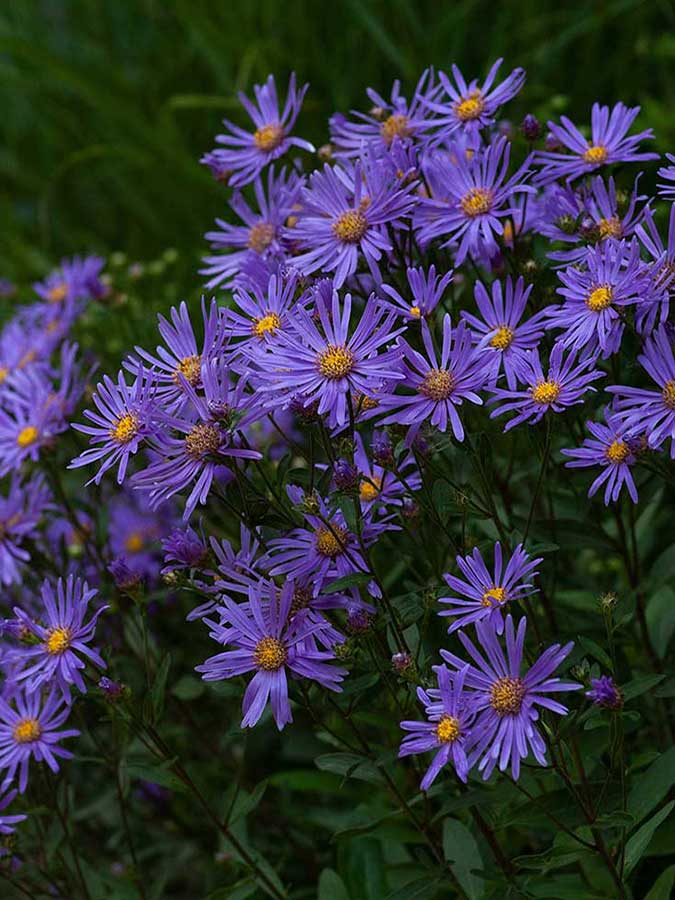
Woods Blue Aster

Goldenrod (Solidago)

Black-eyed Susan
Firefly Haven Tips and Tricks
- Fireflies tend to cluster around moist areas, which is why they’re often seen on humid nights. If you want your yard to attract fireflies, you’ll need to provide them with a source of water. Still water features like ponds can be a great firefly feature, just make sure to keep an eye out for mosquitoes.
- You can provide some safe places for fireflies by incorporating ornamental grasses into your landscaping. Clusters of fountain grass or other tall ornamentals that will do well in your area will give fireflies somewhere to hide and rest during the day.
- Another way to attract fireflies is to avoid using pesticides. Pesticides can kill the insects you are trying to get rid of and the ones you want to attract. Besides fireflies are an excellent beneficial insect to have around as firefly larvae are voracious hunters, eating things like slugs, snails, other beetles, and even unruly insects like cutworms; thereby eliminating a need to use pesticides providing for a sustainable, green garden.